SCFNUKA
Information Architecture • User research • Accessibility • Design
Problem Statement
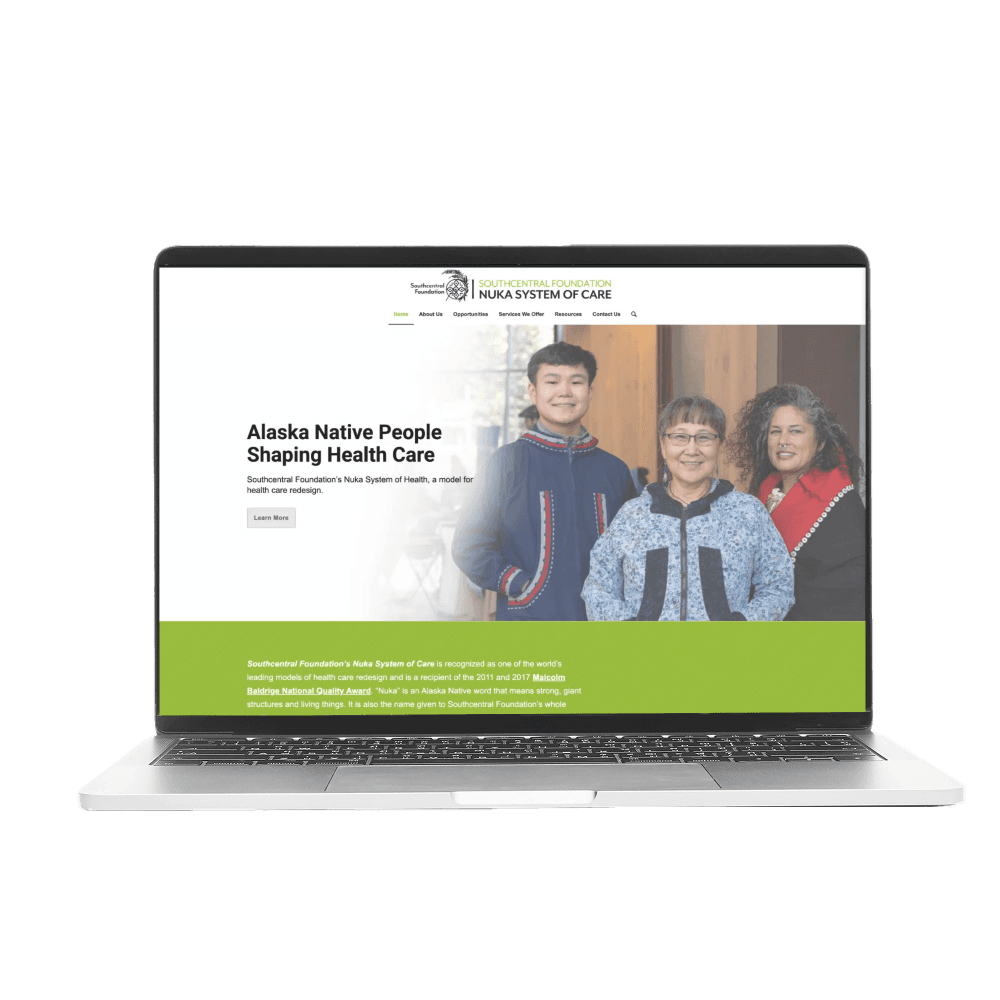
After years without updates, the website had become outdated, cluttered, and confusing to navigate. The lack of clear messaging often left users unsure of where to find the information they wanted. Additionally, the rotating carousel photos in the main banner were distracting users from important content, rendering them unnecessary.
Project Goal
My aim is to streamline the navigation, making it less cluttered and more direct, thereby reducing confusion for users. This refresh will enable users to easily find what they're looking for, all while maintaining our brand identity rooted in Alaskan Native culture.
Target Audience
(Age Group: 20-40 Years Old)

Health Professionals

College Graduates
Step 1: Research
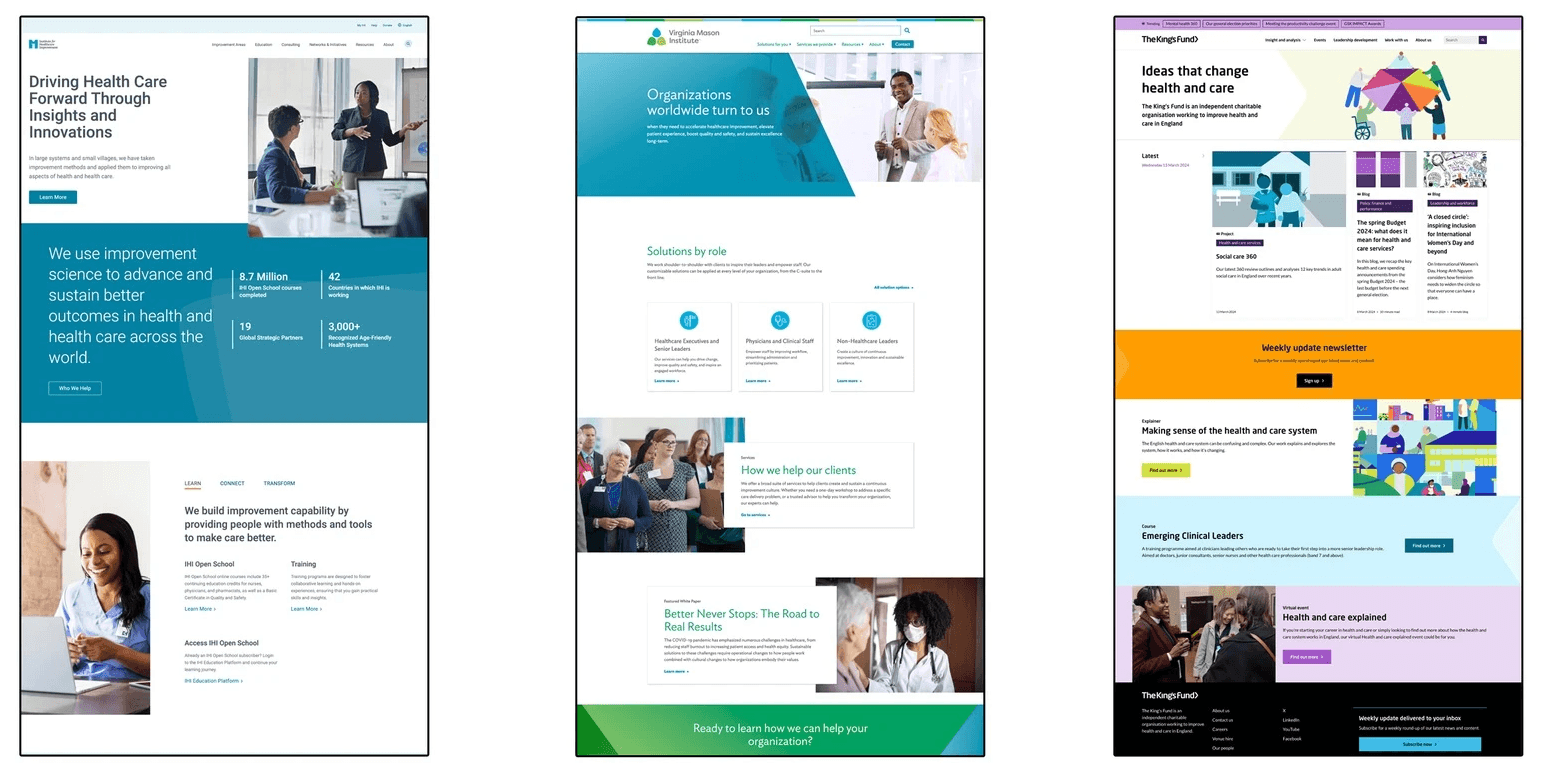
With the goal of streamlining the website and considering the demographics of healthcare professionals and college students pursuing healthcare, we chose to focus on our website. I evaluated several websites from healthcare consultation organizations. After discussing with my team, I selected three sites that offer services most similar to ours.
All three sites lacked a sense of cultural identity, as they seemed to cater to a broad audience rather than a specific group. Drawing from my experience with Indigenous People's collateral and Southcentral Foundation's branding, I took special care to ensure that the website truly highlighted and celebrated their unique cultural heritage.
I also took into account how many users accessed our site via mobile and what our bounce back rate was averaging.
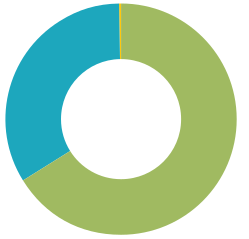
65% Mobile
33% Desktop
2% Tablet
Step 2. Meeting with Stakeholders
A collaborative session with key stakeholders to align on project goals and vision. We also discussed a clear objective for the website redesign.

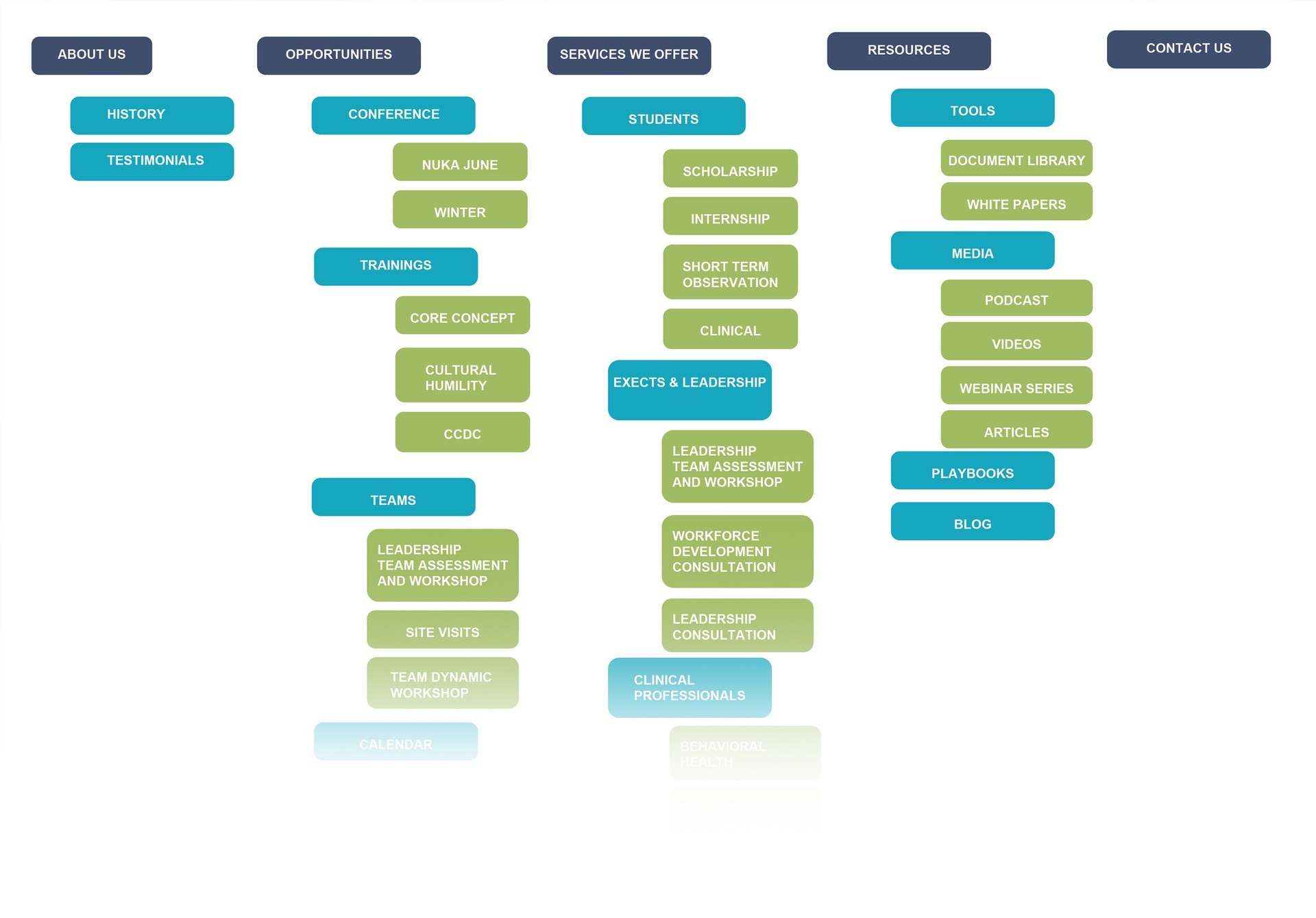
Step 3. Information Architecture
After a meeting with management, we have refined the main menu to reduce clutter and streamline website navigation. Considering our demographic, we have chosen to categorize the navigation based on audience for clearer browsing.
Step 4. Wireframing
After reviewing the entire website, we concluded that we only needed a few landing pages once the navigation is updated. To maintain consistency, we will be using a relatively similar design for them while creating new copy with the help of a technical writer.
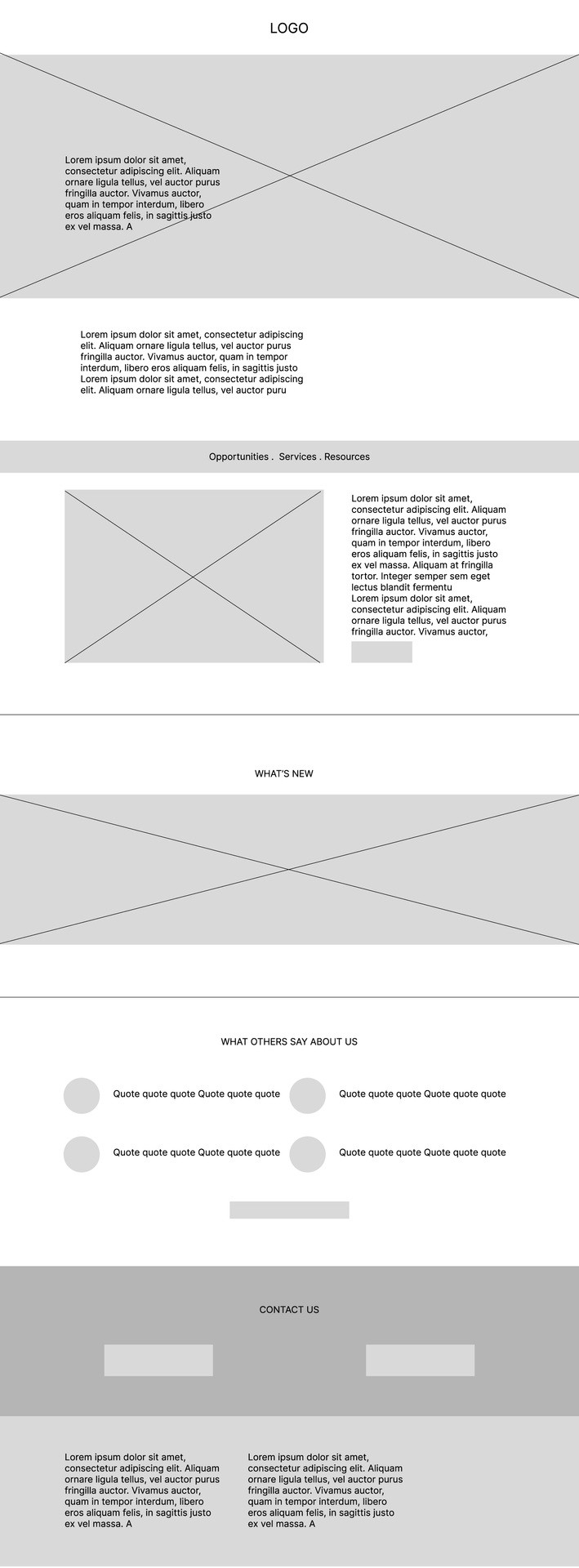
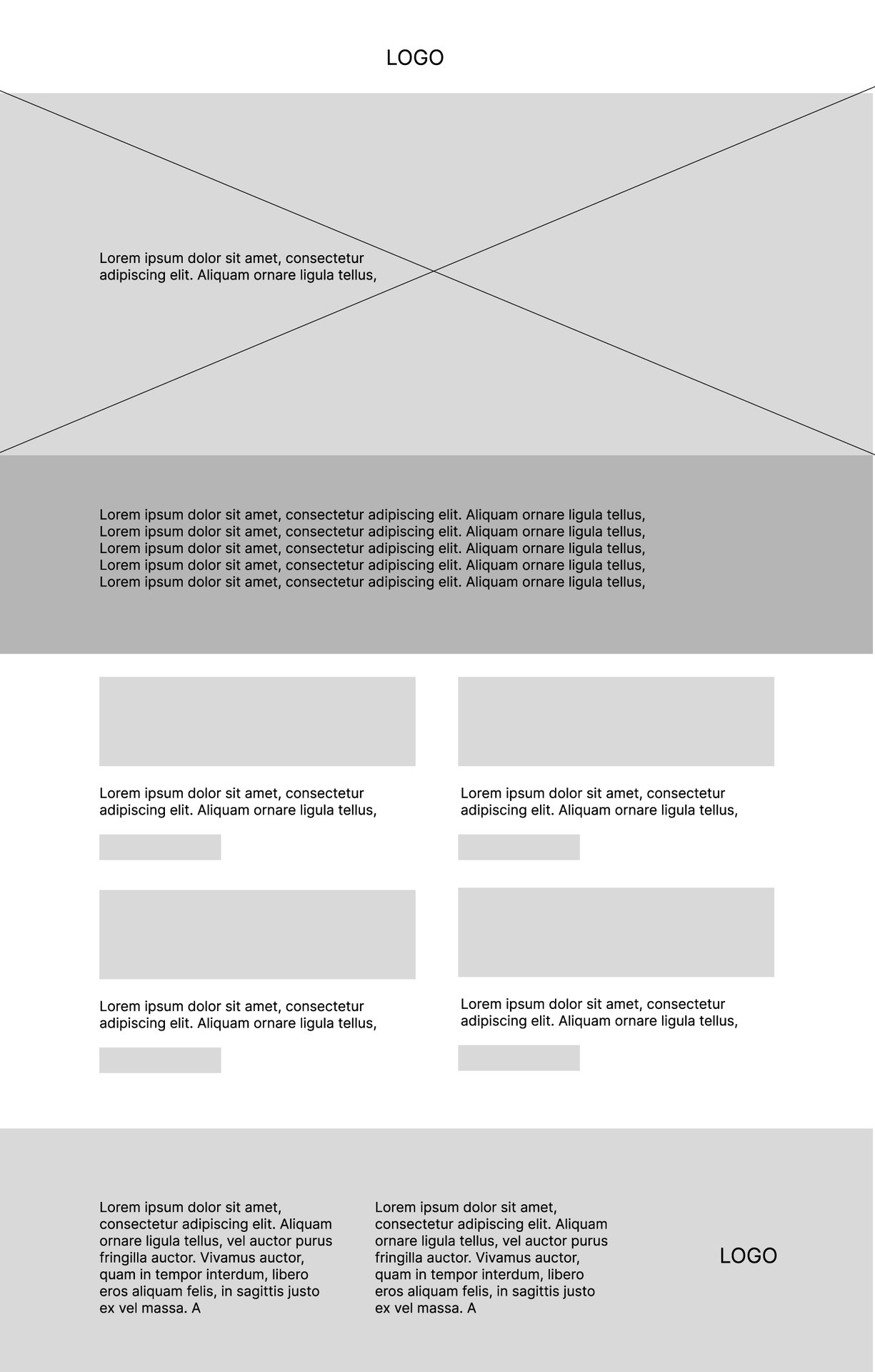
Step 5. High Fidelity Design & Launch
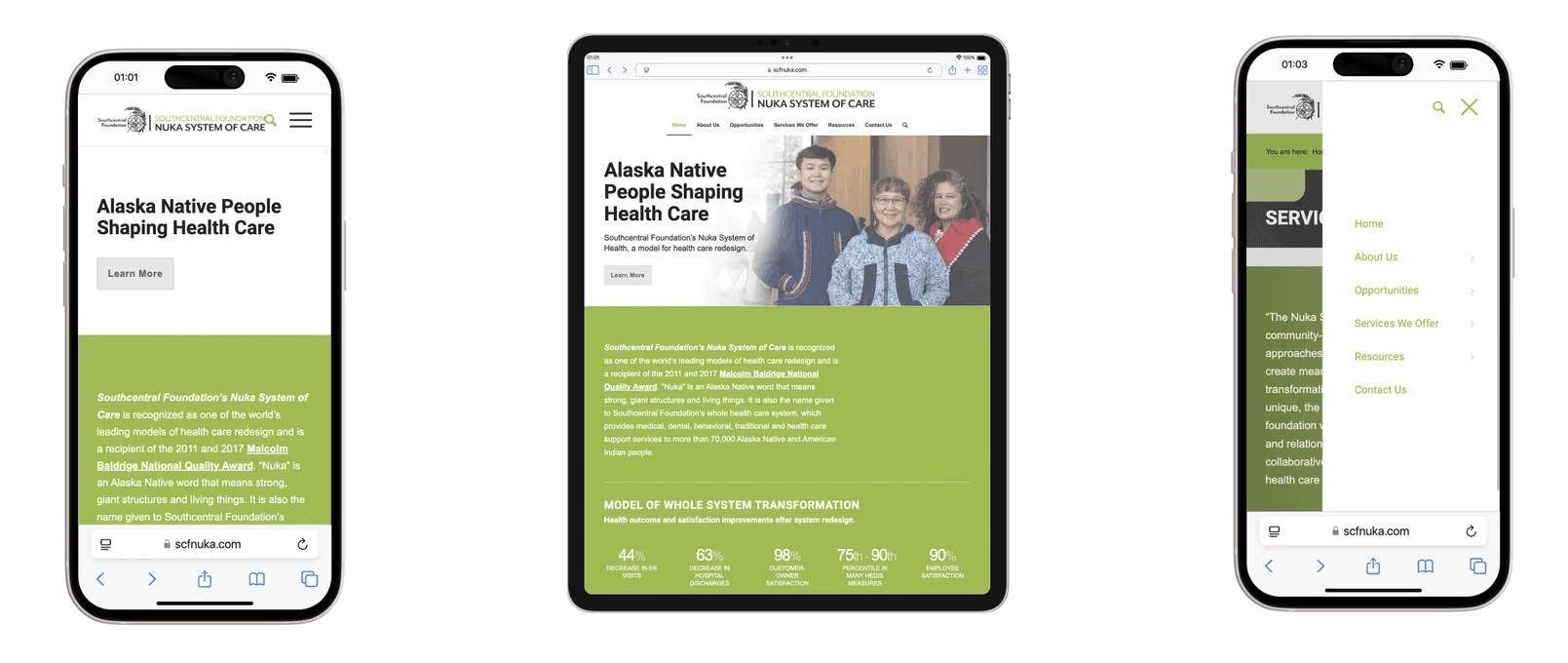
Since the branding is established, I have started implementing the new design on a test page for the homepage and a sample landing page for the new navigation categories.
Results & Lesson Learned
In just 3 months, average bounce back rate was reduced & average session duration has increased.
59.26%
>
45.33%
12%
drop in bounce rate
1m 30s
>
3m 2s
91%
Increase in Average
Session Duration
The drop in bounce rate indicates that users are browsing more pages and finding the site more engaging.
The increase in session duration suggests improvements in content quality, navigation, or page load performance.
Note that these results compare data from August–December 2024 to February–May 2025. Future studies should be conducted to assess these metrics on a year-over-year basis.